LinkedIn
 WhatsApp
 Gmail
Gmail Outlook
 Google Calendar
 Join Slack Community
Discover how the best unified messaging apps offer software publishers critical advantages, from streamlined communication processes to enriched user engagement, shaping a more integrated and efficient digital landscape. By consolidating all your messages into a single app, companies can enhance collaboration and reduce the friction caused by fragmented communication tools.
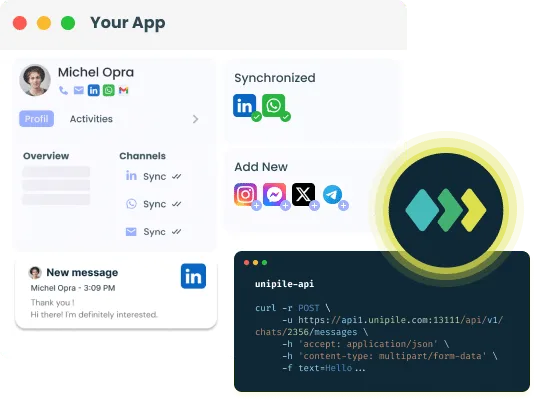
What is Unified Messaging API?
Enhancing user interaction, Unified Messaging API enable real-time, personalized communication within your app, increasing satisfaction and fostering customer loyalty, all while keeping users engaged without the need to switch between major messaging platforms. Thanks to advanced features, such as schedule messages and the ability to receive messages across chat networks, users experience a seamless and efficient interaction flow.

What is Unified Messaging API?
The Unified Messaging API seamlessly integrates multiple messaging channels such as LinkedIn Messaging API, WhatsApp API, Telegram API, X API, Instagram API, and Messenger API into applications. This enables to send messages, manage conversations, and connect with users across various platforms through one streamlined interface, enhancing the app’s communication capabilities without the complexity of handling numerous individual APIs.
What Key Benefits Does an Integrated Messaging App Offer Publishers?
Discover how the Unified Messaging API offers software publishers critical advantages, from streamlined communication processes to enriched user engagement, shaping a more integrated and efficient digital landscape.

Engagement Boost
Enhancing user interaction, Unified Messaging APIs enable real-time, personalized communication within your app, increasing satisfaction and fostering customer loyalty, all while keeping users engaged without the need to switch between different messaging applications.
Workflow Efficiency
By integrating a Unified Messaging API, streamline team’s communication, consolidating multiple messaging channels into one workflow, thus reducing response times and elevating productivity without leaving your application.
Engagement Boost

Enhancing user interaction, Unified Messaging APIs enable real-time, personalized communication within your app, increasing satisfaction and fostering customer loyalty, all while keeping users engaged without the need to switch between different messaging applications.
Workflow Efficiency
By integrating a Unified Messaging API, streamline your team’s communication, consolidating multiple messaging channels into one workflow, thus reducing response times and elevating productivity without leaving your application.
Retention Growth Enabled
Leveraging the robust capabilities of Unified Messaging APIs has been a game-changer for ATS and CRM software publishers, with integration of platforms like LinkedIn showing an average increase in user retention by 35%. This substantial enhancement in user stickiness is attributed to the seamless communication flow and the provision of real-time, pertinent user interactions, ensuring that users remain engaged and connected within the software ecosystem. Furthermore, having a unified inbox allows users to access all your chats in one place, eliminating the need to switch between other apps and increasing efficiency.

Retention Growth Enabled

Leveraging the robust capabilities of Unified Messaging APIs has been a game-changer for ATS and CRM software publishers, with integration of platforms like LinkedIn showing an average increase in user retention by 35%. This substantial enhancement in user stickiness is attributed to the seamless communication flow and the provision of real-time, pertinent user interactions, ensuring that users remain engaged and connected within the software ecosystem.
What Are the Essential Channels for a Fully-Integrated Unified Messaging Experience?
A robust Unified Messaging API encompasses a variety of communication channels to ensure broad connectivity and engagement. Key channels typically include professional networking platforms like LinkedIn, widely-used messaging apps such as WhatsApp and Messenger, and social media giants like Instagram and Twitter. With support for android sms and google chat, this technology helps consolidate messages from texts servers into a single, searchable space. This allows users to archive messages efficiently and access a web app that provides seamless communication on any device.


How Can Outreach Be Optimized Through Automated Messaging Workflows?
Automated messaging workflows allow you to connect with users at the right moment through platforms like LinkedIn, WhatsApp, or Gmail. By setting triggers based on user actions, you can send timely and relevant messages that boost engagement and conversion. Whether it’s a LinkedIn follow-up, a WhatsApp reminder, or an email notification, your communication becomes more efficient and impactful.


Automated messaging workflows empower the crafting of sophisticated communication sequences that strategically connect with users throughout their journey. By setting triggers based on user interactions or scheduled timings, outreach via platforms like LinkedIn and WhatsApp becomes significantly more pertinent and timely. This precision in communication not only raises the chances of user engagement but also enhances conversion rates. For example, if a user registers but remains inactive, a tailored automated message via LinkedIn could offer support, while a follow-up via WhatsApp could provide additional resources to activate them.
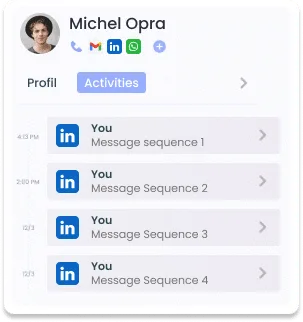
Leveraging the synergy between Sales Navigator and automated messaging workflows heralds a new era in lead management and customer relationship strategies. This integration facilitates a fluid transition from initial prospecting to securing conversions, markedly boosting CRM efficiency. It enables sales teams to deploy sequenced messaging campaigns that can engage prospects directly on professional platforms like LinkedIn, maintaining consistency in communication while personalizing each interaction. This method not only saves valuable time but also scales sales efforts, allowing teams to focus on cultivating relationships and closing deals, thereby propelling sales productivity to new heights.
Is Integrating a Messaging API into Your Platform a Challenge?
Integrating a Unified Messaging API into your platform is less complicated with the wealth of libraries available in multiple programming languages. This flexibility allows developers to select the tools they’re most comfortable with, ensuring a streamlined and efficient development process. Such adaptability accelerates integration and provides the means for a more bespoke implementation, meeting the unique communication demands of your application.
Moreover, Unified Messaging APIs often come with extensive documentation and active developer communities, facilitating troubleshooting and the refinement of your messaging functionalities. The adoption of such APIs is key to enhancing app performance and enriching the user experience by allowing diverse messaging services to be finely integrated into the existing infrastructure of your platform.

How Does Unipile Simplify Your Messaging Integration Process?
Unipile’s API streamlines messaging integration, offering:
Centralized Histories: Retrieve all messages from any service, ensuring seamless conversation tracking.
Instant Notifications: Get real-time alerts for messages and emails, facilitating prompt replies.
Simplified Messaging: Easily send messages or emails, and initiate chats directly from your app.
Effortless Invitations: Automatically invite users to connect, expanding your network effortlessly.
Comprehensive Contact Info: Access detailed profiles and activities on LinkedIn.

import { UnipileClient } from "unipile-node-sdk";
const client = new UnipileClient('https://{YOUR_DSN}', '{YOUR_ACCESS_TOKEN}');

await client.account.connectGmail({'*****'});

const messages = await client.messaging.getAllMessages();
Conclusion
In today’s fast-paced digital world, most people rely on multiple communication tools to stay connected, whether for personal or business use. However, managing conversations across different browser-based platforms, windows, and ios devices can quickly become overwhelming. A unified inbox that supports seamless texting and integrates major services like imessage, gmail, and other features is essential for efficiency.
The importance of security cannot be overlooked. Many users worry about privacy, making encrypted messaging services like signal or matrix crucial. Whether it’s a company looking to streamline operations, a team collaborating across slack, discord, and IRC, or individuals simply trying to communicate better, having a single app that handles all your messages is a game-changer.
Beyond messaging, new technology is reshaping the way we send and receive information. With platforms like Beeper integrating Meta services, businesses can now create more dynamic communication workflows. In the coming months, expect more tools to emerge, supporting calling, video, and AI-driven automations.
For users, convenience matters. Whether you’re on macOS, using Chrome, or managing conversations on an Android app, having a centralized platform that works across all your chats makes life easier. No more switching between a dozen apps—everything is in one place, making interactions fast and organized.
Ultimately, the future of communication lies in integration. With the rise of huge amounts of digital conversations across chat networks, businesses must decide how to optimize their workflows. Whether you’re an enterprise handling a huge amount of customer interactions, or simply a user managing messages from friends, family, and colleagues, a well-built messaging solution can save time and money.
The evolution of messaging isn’t slowing down, and as new products hit the market, the need for a list of flexible, cross-platform solutions will only grow. Companies that build for scalability and change will shape the next era of digital communication. People want solutions that work, that are simple, and that truly make a difference in how they share, agree, and connect.
FAQs
What Specific Security Measures Are in Place When Using Unipile's Messaging API?
Unipile’s Messaging API employs advanced encryption, secure data transmission, and rigorous access control protocols to protect sensitive information and ensure secure messaging operations.
Can Unipile's Messaging API Be Integrated with Custom or In-House Messaging Systems
Yes, Unipile’s API is designed for flexibility and can be integrated with custom or in-house messaging systems, providing comprehensive documentation and support to facilitate this process.
Can Software Publishers Analyze Data Across All Messaging Channels With Unipile?
Absolutely, software publishers have access to a comprehensive set of data from all integrated messaging channels with Unipile. They are equipped to delve into the analytics at will, examining user interactions and campaign performance to derive actionable insights and drive informed decision-making.
Is Unipile’s Social Media API DMA compliant?
Yes. Our API is designed in line with the Digital Markets Act (DMA). We only provide interoperability for messaging and do not store or scrape user profiles. Please note that Unipile is not a Meta Partner, and our solution focuses exclusively on secure and compliant messaging use cases.
Are there limits or conditions when using Unipile with Meta platforms?
Yes. Clients must always respect Meta’s Terms of Service. This means avoiding spam, mass automation, or unauthorized scraping. The API should only be used for legitimate messaging scenarios such as customer support, team communication, or user interactions, while acting responsibly and within Meta’s rules.